

Diazepam – Uses, Dosage, and Benefits for Anxiety, Muscle Spasms, and Seizures
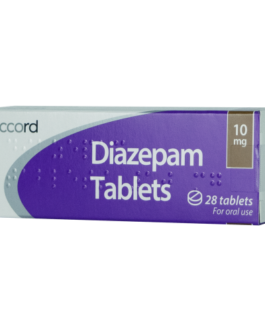
Diazepam is a prescription drug widely used to treat anxiety disorders, muscle spasms, seizures, and alcohol withdrawal symptoms. It belongs to the benzodiazepine class, which works by calming overactive brain and nerve activity, helping patients achieve relaxation, reduce tension, and improve overall neurological function.
Diazepam is commonly prescribed for both short-term and long-term therapy under medical supervision, making it a trusted choice in the management of several neurological and psychological conditions.
How Diazepam Works for Anxiety and Muscle Relaxation
Diazepam enhances the effects of gamma-aminobutyric acid (GABA), a neurotransmitter that inhibits excessive nerve activity in the central nervous system. By increasing GABA activity, Diazepam produces a calming effect that reduces anxiety, relaxes muscles, and prevents seizures.
Its fast-acting and long-lasting properties make it effective for managing acute anxiety episodes, muscle spasms, and seizure disorders.
Medical Uses of Diazepam
Diazepam is prescribed for a variety of medical conditions, including:
-
Anxiety Disorders: Provides relief from excessive worry, nervousness, and tension
-
Muscle Spasms: Reduces stiffness and spasticity caused by neurological disorders or injury
-
Seizure Disorders: Used as part of therapy for epilepsy and other seizure-related conditions
-
Alcohol Withdrawal: Helps manage symptoms such as agitation, tremors, and insomnia
-
Preoperative Sedation: Used to relax patients before surgery or medical procedures
Its versatility makes Diazepam a critical medication in both psychiatric and neurological care.
Recommended Diazepam Dosage
Dosage of Diazepam depends on the condition being treated, age, medical history, and response to therapy. Typical guidelines include:
-
Anxiety: 2–10 mg, 2–4 times daily, depending on severity
-
Muscle Spasms: 2–10 mg, 3–4 times daily
-
Seizure Disorders: 2–10 mg, 2–4 times daily or as prescribed
-
Alcohol Withdrawal: Gradual dose reduction under medical supervision
Patients must follow their doctor’s instructions carefully, avoid combining Diazepam with alcohol or other sedatives, and never self-adjust doses to prevent dependence or adverse effects.
Benefits of Diazepam for Anxiety, Seizures, and Muscle Relaxation
When used as prescribed, Diazepam provides several benefits:
-
Rapid relief from anxiety and panic symptoms
-
Reduced muscle tension and spasms
-
Improved sleep quality in patients with stress-related insomnia
-
Seizure control and prevention
-
Supportive therapy during alcohol withdrawal
These benefits improve patient comfort, daily functioning, and overall quality of life.
Side Effects and Safety Precautions
Common side effects of Diazepam may include:
-
Drowsiness or fatigue
-
Dizziness or unsteadiness
-
Blurred vision
-
Mild memory impairment
-
Gastrointestinal disturbances
Serious side effects are rare but require immediate medical attention if breathing difficulties, severe confusion, or allergic reactions occur. Long-term use may lead to tolerance, dependence, or withdrawal symptoms.
Patients with respiratory problems, liver or kidney disease, or a history of substance abuse should consult a healthcare provider before using Diazepam.
Proper Storage and Handling
Diazepam should be stored at room temperature, away from moisture, heat, and direct sunlight. Keep it out of reach of children and unauthorized users to prevent misuse or accidental ingestion.
Conclusion: Why Diazepam Is a Trusted Medication
Diazepam remains a highly effective prescription medication for managing anxiety, muscle spasms, seizures, and alcohol withdrawal. When used responsibly under medical supervision, it provides relief from excessive nervous tension, improves neurological stability, and enhances daily functioning. Combined with therapy and lifestyle adjustments, Diazepam supports safe and effective long-term symptom management.
tlover tonet –
I am constantly searching online for posts that can facilitate me. Thanks!