
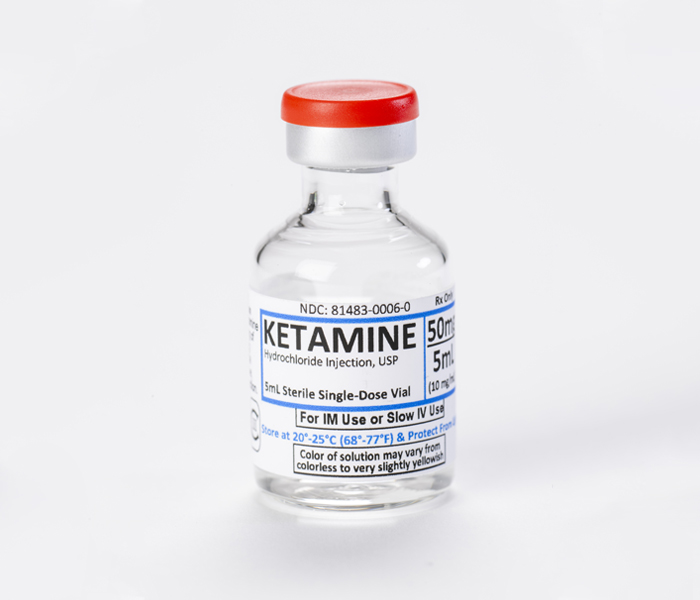
Ketamine – Uses, Benefits, Dosage, and Medical Applications
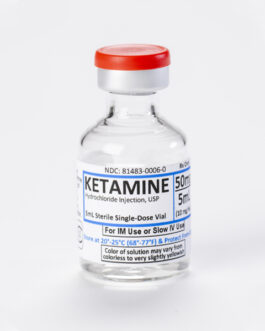
Ketamine is a prescription medication primarily used as an anesthetic agent, pain management treatment, and in controlled medical settings for treatment-resistant depression. Originally developed for surgical anesthesia, Ketamine is widely recognized for its rapid-acting effects on the central nervous system and its growing role in modern psychiatric and emergency medicine.
Ketamine is administered strictly under professional medical supervision due to its powerful neurological effects and specialized clinical applications.
How Ketamine Works in the Brain and Nervous System
Ketamine works differently from traditional sedatives or antidepressants. It acts mainly as an NMDA receptor antagonist, influencing glutamate activity in the brain. This mechanism temporarily alters sensory perception, pain signaling, and consciousness while providing anesthesia and analgesia.
In psychiatric treatment settings, Ketamine promotes rapid neural signaling changes that may help improve mood regulation and cognitive flexibility in carefully monitored patients.
Medical Uses of Ketamine Treatment
Ketamine has several important clinical applications, including:
-
Surgical Anesthesia: Commonly used during operations and emergency procedures
-
Pain Management: Effective for severe or chronic pain conditions
-
Treatment-Resistant Depression: Administered in specialized clinical environments
-
Emergency Medicine: Used for rapid sedation in trauma care
-
Procedural Sedation: Helps patients remain comfortable during medical procedures
Its fast onset and reliability make Ketamine essential in modern anesthesia and emergency healthcare.
Ketamine Dosage and Administration Guidelines
Ketamine dosage varies significantly depending on the medical purpose and patient condition. It may be administered through:
-
Intravenous (IV) injection
-
Intramuscular (IM) injection
-
Controlled clinical infusion
Only qualified healthcare professionals determine dosage and administration. Self-administration or unsupervised use is unsafe and not recommended.
Benefits of Ketamine in Medical Treatment
When used appropriately in clinical settings, Ketamine provides several benefits:
-
Rapid anesthesia and pain relief
-
Preservation of breathing reflexes during procedures
-
Effective sedation in emergency situations
-
Fast-acting therapeutic response in psychiatric care
-
Reduced need for multiple anesthetic agents
These advantages make Ketamine highly valuable in both surgical and specialized therapeutic environments.
Side Effects and Safety Precautions
Common side effects associated with Ketamine may include:
-
Temporary confusion or disorientation
-
Increased blood pressure or heart rate
-
Nausea or dizziness
-
Blurred vision
-
Short-term perceptual changes
Because Ketamine affects perception and awareness, patients require monitoring during and after administration. Misuse may lead to psychological or physical risks, reinforcing the need for controlled medical supervision.
Proper Storage and Handling of Ketamine
Ketamine is stored and handled exclusively within licensed medical facilities under regulated conditions. Access is restricted to authorized healthcare professionals to ensure patient safety and compliance with medical regulations.
Conclusion: Why Ketamine Remains Important in Modern Medicine
Ketamine continues to play a critical role in anesthesia, pain management, and advanced psychiatric treatment. Its rapid onset, strong analgesic properties, and evolving therapeutic applications make it a valuable medication in modern healthcare. When administered responsibly by trained professionals, Ketamine provides safe and effective outcomes across multiple medical disciplines.
Reviews
There are no reviews yet.