
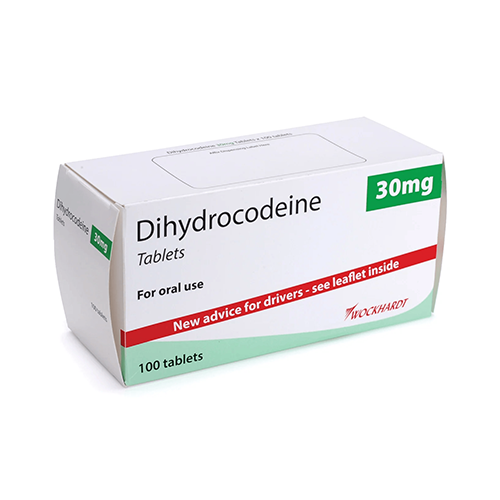
Dihydrocodeine – Uses, Dosage, and Benefits for Pain Relief
Dihydrocodeine is a prescription opioid commonly used to manage moderate to severe pain, chronic pain conditions, and sometimes persistent cough. As a semi-synthetic derivative of codeine, Dihydrocodeine works by binding to opioid receptors in the central nervous system to reduce pain perception and enhance comfort.
It is widely prescribed under medical supervision for patients who require stronger pain management than non-opioid analgesics can provide.
How Dihydrocodeine Works for Pain Relief
Dihydrocodeine relieves pain by activating mu-opioid receptors in the brain and spinal cord. This reduces the perception of pain signals and alters the emotional response to pain, helping patients feel more comfortable and able to function normally.
In addition to pain relief, Dihydrocodeine can have mild sedative effects, which may help patients experiencing discomfort-related insomnia.
Medical Uses of Dihydrocodeine
Dihydrocodeine is prescribed for several conditions, including:
-
Moderate to Severe Pain: Effective for post-operative pain, injury-related pain, and chronic conditions
-
Chronic Pain Management: Used in long-term therapy under strict medical supervision
-
Persistent Cough: Sometimes prescribed for severe coughing when other treatments are ineffective
-
Neuropathic Pain: In certain cases, it may provide relief from nerve-related pain
Its versatility and potent analgesic properties make Dihydrocodeine a reliable option in opioid therapy.
Recommended Dosage of Dihydrocodeine
Dosage depends on the severity of pain, patient age, medical history, and prior opioid use. Typical administration guidelines include:
-
Tablets or Capsules: Taken orally, usually every 4–6 hours as prescribed
-
Extended-Release Forms: Taken less frequently for chronic pain management
It is crucial not to exceed prescribed doses, and patients should never combine Dihydrocodeine with alcohol or other sedatives due to risk of respiratory depression and overdose. Gradual dose adjustment may be necessary under medical supervision for long-term therapy.
Benefits of Dihydrocodeine for Pain Management
When used correctly, Dihydrocodeine provides several benefits:
-
Effective relief from moderate to severe pain
-
Improved ability to perform daily activities
-
Reduced emotional stress associated with chronic pain
-
Better sleep quality in patients with pain-related insomnia
-
Controlled cough relief in specific conditions
These benefits contribute to improved quality of life and patient comfort.
Side Effects and Safety Precautions
Common side effects may include:
-
Drowsiness or sedation
-
Nausea or vomiting
-
Constipation
-
Dizziness or lightheadedness
-
Sweating
Serious side effects are rare but may include slowed breathing, severe allergic reactions, or confusion. Dihydrocodeine has a potential for dependence, tolerance, and misuse, so it should only be taken under strict medical supervision.
Patients with respiratory disorders, liver or kidney disease, or a history of substance use should consult their healthcare provider before taking Dihydrocodeine.
Proper Storage and Handling
Dihydrocodeine should be stored at room temperature, away from moisture, heat, and direct sunlight. Keep medication out of reach of children and unauthorized users to prevent misuse and accidental ingestion.
Conclusion: Why Dihydrocodeine Is a Trusted Pain Relief Medication
Dihydrocodeine remains a widely prescribed opioid for moderate to severe pain management and chronic pain conditions. When used responsibly under medical supervision, it effectively reduces pain, improves daily functioning, and enhances overall comfort. Combined with medical guidance, lifestyle adjustments, and physical therapy, Dihydrocodeine supports safe and effective pain control.



Reviews
There are no reviews yet.